

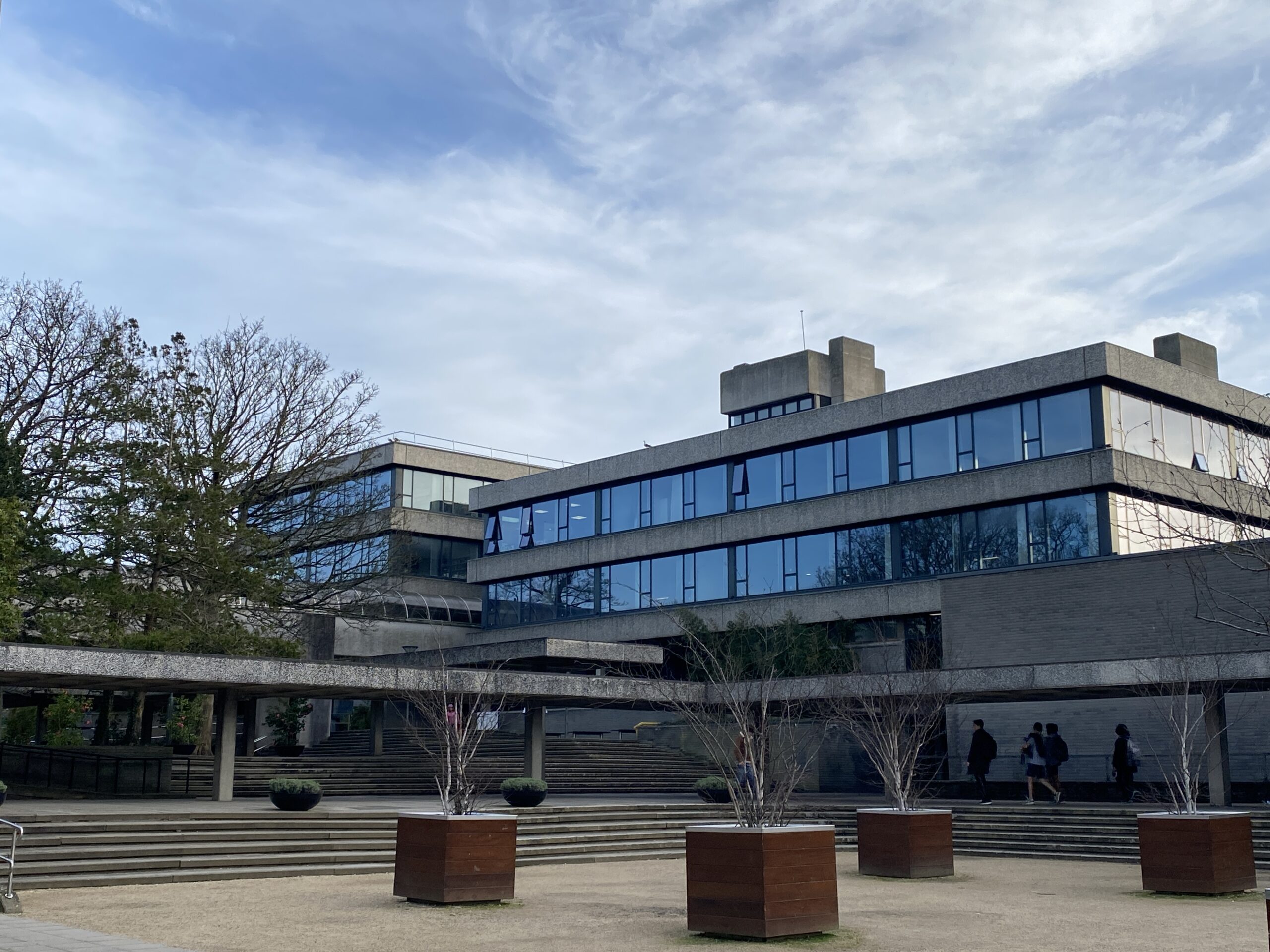
A series of industrial actions are set to take place throughout October, affecting UCD students, staff and university services.
In an email to the UCD student body, Dean of Students Professor Jason Last outlined the upcoming industrial action, following the start of a wider public sector dispute over a successor to the Public Service Agreement.
The agreement, which covered public service workers from 2024 to 2026, expired on 30 June. Trade unions have been seeking negotiations on a new agreement covering pay and working conditions, while the Government has said it remains willing to engage with unions.
The first phase of industrial action began on Wednesday 30 September, when SIPTU members across local authorities, state agencies and the health service began work-to-rule action.
Under a work-to-rule, staff carry out the duties explicitly required under their contracts while withdrawing voluntary flexibility, additional duties and other forms of workplace goodwill. SIPTU said the action was in response to what it described as the Government’s failure to establish a basis for formal negotiations on a successor public service pay agreement.
In the health service alone, more than 11,000 SIPTU members across 30 hospitals were involved in the initial action. The union said members withdrew voluntary overtime and other additional duties as part of the work-to-rule.
SIPTU has since announced a full 24-hour strike involving those health workers for Wednesday 14 October, escalating the dispute from the initial work-to-rule action. The action had received a strong mandate in SIPTU ballots, with 97% of voting members backing strike action in the relevant ballot.
SIPTU Health Divisional Organiser Kevin Figgis said the union’s members were seeking a new agreement that addressed the financial pressures facing public service workers.
“Our members are demanding a fair pay agreement that reflects the economic reality facing workers and provides real protection for directly delivered public health services”, stated Mr Figgis.
The Government, however, has said it remains willing to engage with public service unions over a successor agreement, while arguing that any future deal must be financially sustainable.
Speaking with RTÉ’s News at One, Minister for Public Expenditure Jack Chambers suggested that the Workplace Relations Commission (WRC) may be used to help resolve the dispute between the unions and the government following the collapse of talks.
“My officials are ready and able today or any day to commence those discussions or indeed to use the expert advisory services of the WRC”, Chambers told RTÉ.
The Minister explained that the government are “making provision” for a public sector worker pay deal in 2027. He further urged unions to “agree to engage in substantive talks” to resolve the breakdown in negotiations.
Upon addressing the Dáil, Taoiseach Micheáll Martin said that “deep down, the unions know… that there will be meaningful discussions on it.” He further stated that there “is no need for this strike action. It is causing unnecessary disruption”, citing that the budget will provide workers with sufficient support provisions.
The dispute will also directly affect UCD staff. The Irish Federation of University Teachers (IFUT) has announced an initial programme of industrial action after 93% of members voted in favour up to and including strike action.
The first action at UCD will take place on Monday 5 October, when IFUT members will hold a one-hour work stoppage between 12 noon and 1 pm.
UCD has said that all teaching activities on its Irish campuses will be cancelled during this hour. Activities before 12 noon and after 1 pm are expected to take place as normal.
The university has also been notified of two further 24-hour strikes, scheduled for Wednesday 14 October and Wednesday 21 October. IFUT says the 21 October action will proceed if the dispute remains unresolved. UCD has said it will provide students with further information about the effect of these strikes closer to the dates.
The industrial dispute has coincided with separate student campaigning over the cost of higher education.
On Thursday 1 October, more than 1,500 students marched through Dublin, according to RTÉ, while AMLÉ, the national student organisation behind the demonstration, put the figure at approximately 3,000, including students participating in walk-outs.
The “Fuck the Fees: Fund Our Future” protest, organised by Aontas na Mac Léinn in Éirinn (AMLÉ), called for changes to student fees, increased funding for higher education and greater provision of student accommodation.
UCD Students’ Union was among the groups involved, with UCD Dean of Students Professor Jason Last telling students that their “student voice on these matters is vital”. UCD also asked staff supporting teaching and student activities not to academically disadvantage students who wished to attend the protest.
The protest is particularly relevant to the wider dispute over higher education funding, but the main focus for UCD students over the coming weeks will now be the scheduled staff industrial action.
The next major date for UCD students is Monday 5 October, when teaching will be suspended for one hour from 12 noon to 1 pm as part of IFUT’s work stoppage.
This will be followed by the planned 24-hour strike on Wednesday 14 October, which coincides with wider public sector strike action. SIPTU has confirmed that more than 11,000 of its health members across 30 hospitals will take part on that date.
A further 24-hour IFUT strike is scheduled for Wednesday 21 October, should the dispute remain unresolved.
For UCD students, the impact of the action will depend on their course, timetable and the university services they use.
With work-to-rule action already underway and further strikes planned for October, UCD has said it will continue to communicate directly with students about any changes to teaching or university services.
Harry O’Leary – News Co-Editor