

Gen Z are generally depicted as “woke”, extremely progressive and open-minded, especially compared to older generations. However, with the rise of extremist ideologies and political beliefs, this generalisation feels far less certain.
A recent study published by King’s College London found that, generally, Gen Z is more conservative than Baby Boomers (those born between 1946 and 1964). The study surveyed 23,000 individuals from both generations across 29 countries.
The results were shocking: one-third of Gen Z men believed that, in relationships, women should obey them. The survey also showed that both Gen Z men and women were twice as likely to agree that “the man” should have the final say in all important decisions. In comparison, only 13% of Baby Boomer men believe that. When asked the same question, 18% of Gen Z women agreed, compared with 6% of Baby Boomer women.
The paper also states that almost a quarter of Gen Z men (24%) believe that a “woman’s place is in the home”. On the other hand, only 12% of the older cohort shared this belief.
However, in a real display of contradictory beliefs, 41% of the same younger group of men consider women with successful careers more attractive.
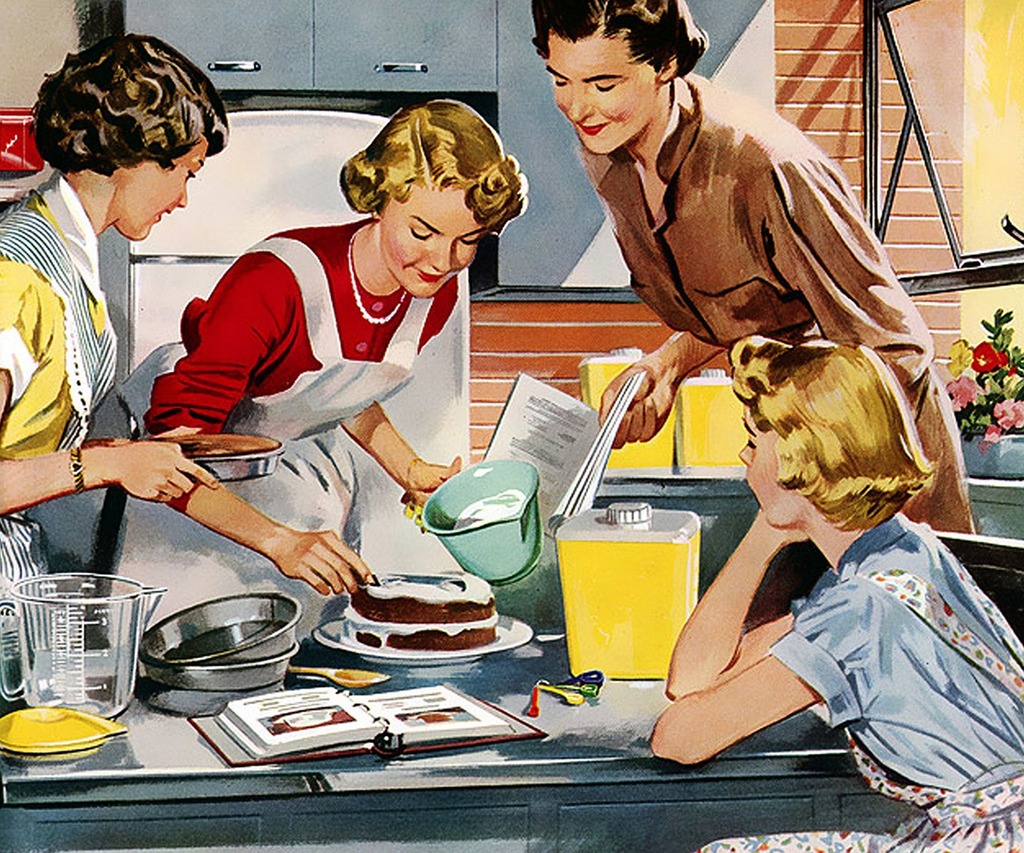
Despite believing that “women belong in the kitchen”, over half (59%) of Gen Z men said that women’s expectations are too high when it comes to their support for gender equality. In contrast to the rest of the survey, the Baby Boomer response to this statement was similar, with 45% agreeing.
Regarding sexual norms, the research showed that 21% of the younger respondents said that “a real and serious woman” should never initiate sex. On the other hand, the older generation seems more than happy to let the woman take the reins, with only 7% agreeing with the previous statement.
Over half of Gen Z men also believe that women’s rights “have gone too far”. In 2019, a study showed that 42% of men this age agreed with the statement, but in just seven years, that statistic has increased by 10%.
“I think there are a lot of grievances, a lot of fear of men losing social positions,” said Director of The Global Institute for Women’s Leadership at King’s College London, Heejung Chung.
She also highlighted how, “ There’s a vacuum that’s being filled with rhetoric and voices which are trying to pitch young men against gender equality, against young women, against migrants.”
The survey results also suggest that Gen Z men hold more traditional views and opinions not only about women, but also about their own behaviour and choices. 30% believe that men shouldn’t say ‘I love you’ to their friends. Comparatively, only 20% of Baby Boomers agreed.
Over 20% t of Gen Z males also stated that men who took part in caregiving for children were less masculine than those who did not. In contrast, only 8% of the surveyed Baby Boomer men thought so.
This wave of conservatism comes as no surprise due to the rise of ‘Red Pill’ ideology and of the manosphere. Inspired by The Matrix, ‘Red Pill’ ideology refers to realising the true nature of society and subsequently man’s dominant – and woman’s submissive – position within it. The manosphere is an umbrella term for online communities that claim to address men’s struggles while promoting a narrow, aggressive definition of what it means to be a man.
The United Nations’ report on violence against women and girls highlights that these groups present themselves as a united opposition to feminism, believing that gender equality comes at the cost of men’s rights.
These communities misrepresent men as “victims” of the current social and political climate, selling the idea that a male’s worth is based on emotional control, material wealth, physical appearance, and dominance, especially over women. Not only do they normalise violence against women and girls, but they also have been linked to radicalisation and extremist ideologies.
According to the Movember Foundation, two-thirds of young men regularly engage with this content. In March, Louis Theroux’s documentary Theroux: Inside the Manosphere was released. Throughout it, Theroux interviews prominent figures in the manosphere, including Sneako, HS Tikky Tokky, and Justin Waller.
The documentary showcases how these men attract young, disenfranchised males who feel lost in modern society, with their controversial, inflammatory content in pursuit of profit.
Despite not depicting the dangers of these beliefs, Theroux’s work shows how deeply these ideals have infiltrated our schools, workplaces, and online spaces. It highlights how the manosphere, as ‘Sneako’ himself said, “graduated” into something much bigger.
Perhaps not all hope is lost. The survey also demonstrated encouraging signs that support for gender equality remained strong, such as agreement that there should be more women in government.
As the manosphere grows, it is more important than ever to continue to advocate for the rights of women and equality for all.
Nicole Pontes Coelho – Contributor