


Very few of us who exist outside of the hallowed halls of the Quinn building really care about the AI bubble or the price of Bitcoin. Yet, commodities such as oil, wheat and copper affect the prices of our everyday necessities. The commodities market is generally considered one of the world’s most volatile and, equally, the most relevant to the day-to-day things we care about. This year alone has seen headlines dominated by oil and petroleum prices. Prices driven by trade disruptions from US strikes in Iran and the ongoing conflict in the Middle East have been reflected in pump price hikes for people all over the world. The precious metals market has also had a big year, with the price per troy* ounce reaching an historic high of €4,602.72. Although it can be argued that many of us are not buying gold in our day-to-day (three wise men excluded, of course).
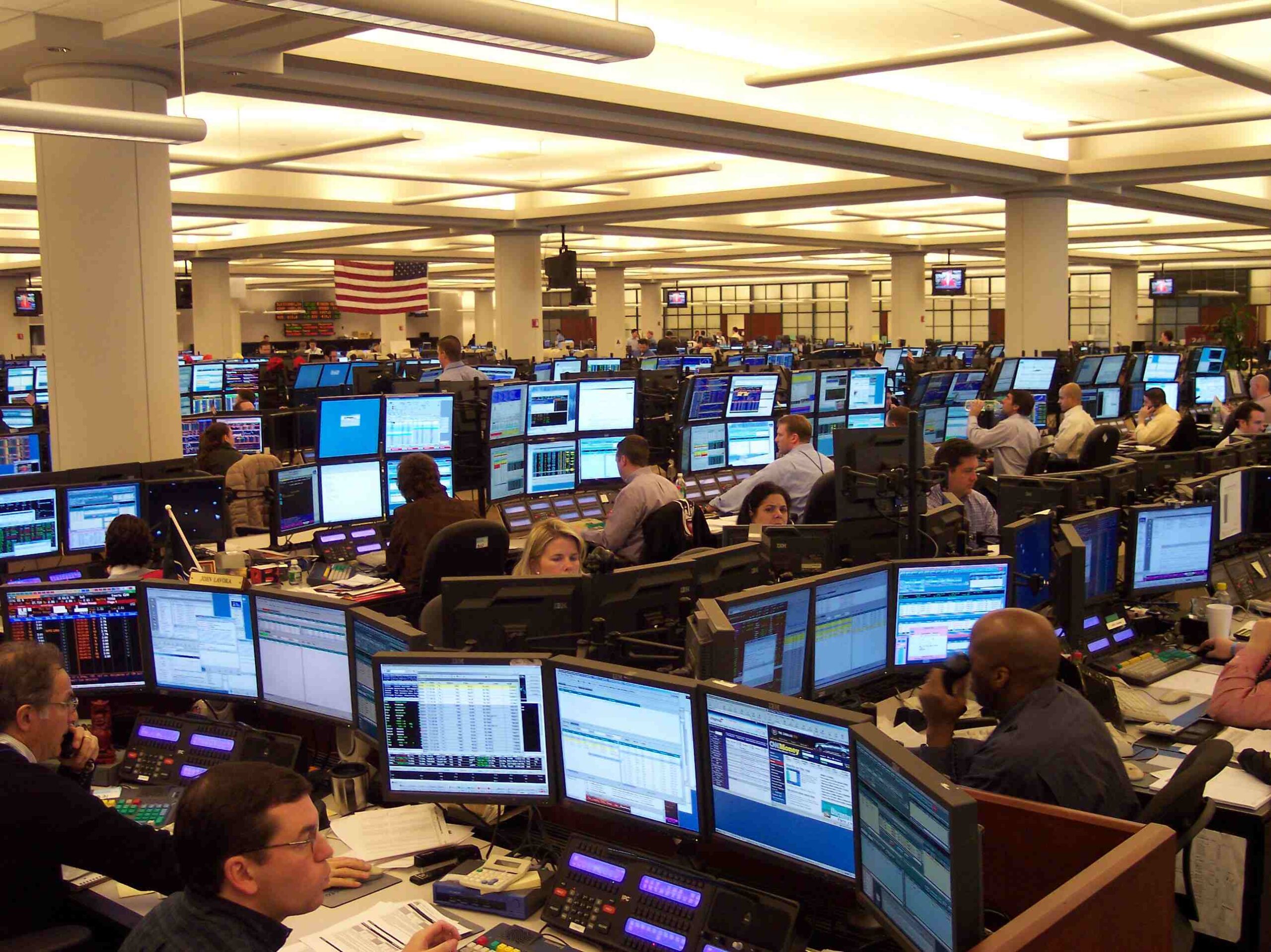
The commodities market in the world of finance is one of the earliest markets in history, and while many countries have moved far beyond the trade of barley and grain in the village square, it still underpins much of the world’s economic and political activities. A commodity is generally defined as a raw material, pre-production, which comes from the earth (essentially anything you can keep in your inventory in Minecraft). Common commodities which are traded include coffee, oil, gas, sugar, corn, copper and aluminium. Commodities are also broken into hard commodities, which are mined resources such as iron, and soft commodities, which are agricultural products such as wheat. While commodities markets still exist in small-scale, everyday transactions, such as you and I going to a farmers’ market or buying fish at the port, we typically see much of the commodities trade taking place on banks’ and trading floors all over the world.
It can be a difficult concept to grasp, but these trade floors and traders typically do not handle the physical movement of commodities between owners; rather, they trade in contracts. These contracts operate on the basis that the buyer gains control or ownership of the asset at a future date for a pre-agreed price. These contracts are often traded between financial institutions that are interested in the value of the commodity now or in the future. Futures contracts are also often used to speculate on prices, almost like a much more boring version of a sports bet. A speculator who believes the price of a good will rise can buy a contract at today’s price and profit if the market price ends up higher. Speculators rarely want the physical commodity, as banks typically don’t want barrels of oil in the middle of their office, so they close out their position before expiry by making a similar trade and settling the price difference in cash.
It is important to note that many of these contracts are written based on the commodity’s price at the time of the trade. That is the old, reliable idea that UCD economics students will understand: supply and demand. When there is more demand for a commodity than there is supply, prices will rise. This happens due to disruptions in the supply chain, such as the blockage of the Suez Canal; periods of economic expansion; demand for raw materials to build factories or houses; and seasonality, such as demand for a commodity like gas rising as winter temperatures drop. When the supply of a commodity exceeds demand, prices drop. This can occur again due to seasonality, for example, an influx of wheat in the market due to a good harvest in August, economic cutbacks, less demand for raw materials from lower demand for new housing, and close substitutes existing, swapping barley for wheat, etc.
Understanding the commodities market is vital for all consumers, not just for the finance bros or gals. This is due to its impact on our everyday lives and the political landscapes we exist within. As former Vice President of the USA, Kamala Harris once said: “You think you just fell out of a coconut tree?” The price hikes you see in petrol, SU panini, and gold for the baby Jesus do not happen for no reason. They occur due to events that impact commodity markets and ultimately trickle down to the coins in your pockets. So remember, “You exist in the context of all in which you live and what came before you”. You are a member of the market, and you exist within its highs and lows.
*A troy ounce is a unit of weight for precious metals that has existed since the 16th century and is about 10% heavier than a standard ounce, at 31.1 grams.
By Orla Fitzpatrick