

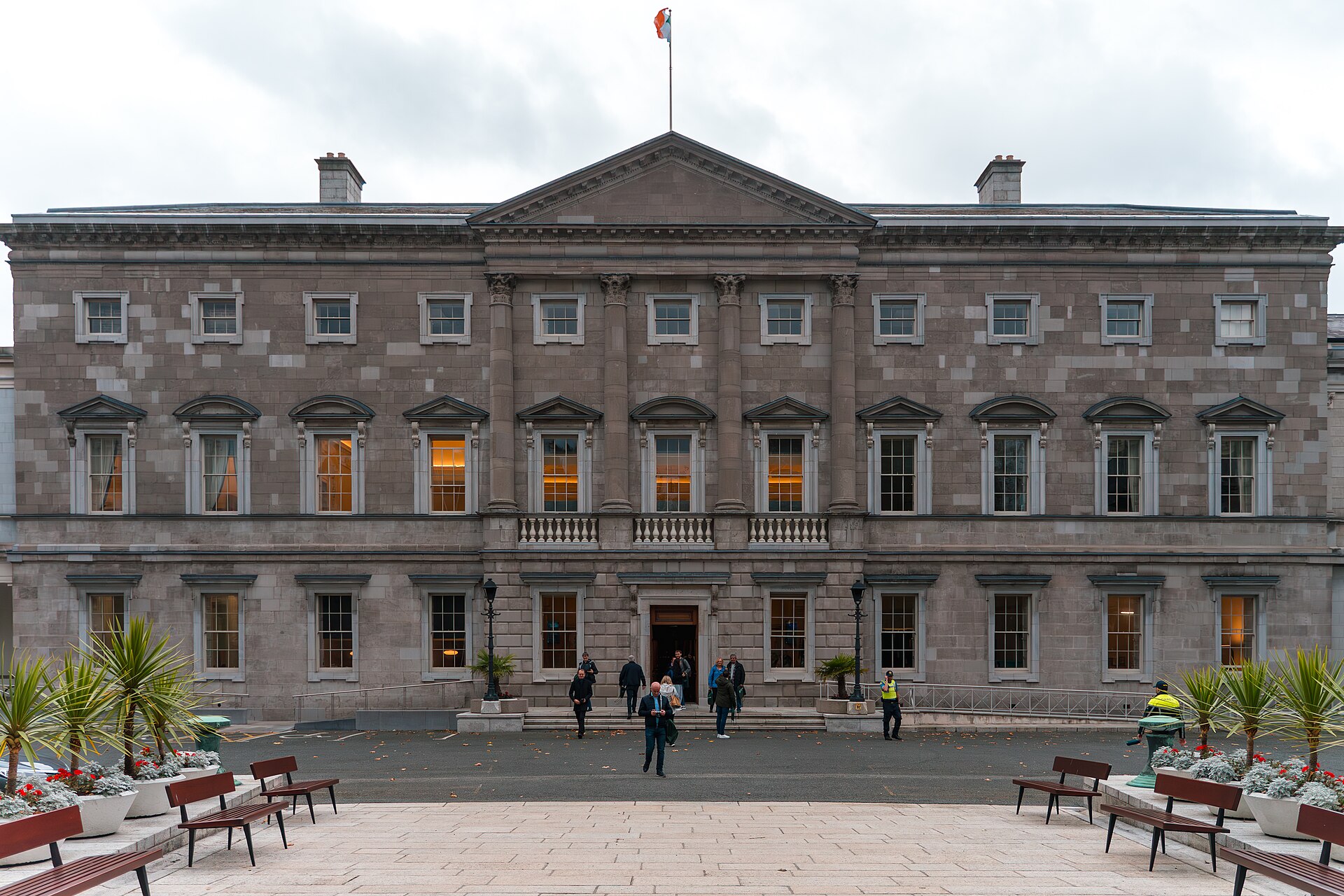
Budget 2027 has set out a number of measures affecting students and young people across the country, with changes to financial support and the wider cost of living likely to be closely felt across college campuses.
With the government spending plans for the year ahead now confirmed, students will be assessing what the announcements mean for their finances, from the cost of education to the support available to those struggling with rising costs.
Third-Level Education
Addressing the Dáil, Minister for Public Expenditure Jack Chambers announced a permanent reduction of €150 to the student contribution charge, bringing it down to €2,350, arguing that the measure will ease cost-of-living constraints on families and ensure wider participation and access to third-level education.
Increases in Student Universal Support Ireland (SUSI) grants have also been included in the latest Budget. Families with two or more children in higher education will now receive an increase in their SUSI grant. For example, students with a sibling in college who currently receive a €500 payment will see it increase to €750. Maintenance payments are set to increase by 4.5%.
The budget has placed a focus on widening funding to the Artificial Intelligence sector. “The development and diffusion of AI is not just a new trend,” said Chambers. “As a country, we are well placed to take advantage of the opportunities that AI offers, but only if we equip our people with the skills of the future.” The Budget has provided for €150 million of funding to upskill people across the economy in AI. This forms part of a €5.3 billion allocation to the Department of Further and Higher Education, Innovation and Science next year. The Minister relayed to the Dáil that this will fund a new three-year National Training Fund skills package, of which AI training will play a central role.
Minimum Wage
The minimum wage is now set to increase from €14.50 an hour to €14.94 for workers aged 20 and older. This is still below the living wage, which the Living Wage Technical Group recently reported as €16 an hour.
Renting
The government also announced measures to aid individuals in the rental market. The Budget has included an increase of €150 (€300 for couples) in Rent Tax Credits to €1,150 for single claimants.
Tax reliefs have also been promised to home-owners willing to let out rooms under the rent-a-room scheme. The Rent-A-Room tax relief will increase from €14,000 a year to €16,000 a year in an effort to entice landlords to open up their homes to students seeking accommodation. The scheme will also be extended to include garden cabins.
Tobacco
Newman smokers will be disappointed to learn that a packet of 20 cigarettes has risen by €1 to €20.15 Tobacco pouches will increase to €29.72.
Budget 2027 represents an overall package of €8.65 billion, including around €7 billion in additional public spending and €1.65 billion in tax measures.
The Government has presented the package as an attempt to balance immediate cost-of-living pressures with longer-term investment. Finance Minister Simon Harris told the Dáil that “today’s budget balances today’s needs with tomorrow’s musts”, while the Government has emphasised investment in areas including infrastructure, public services and housing alongside tax and welfare measures.
However, the Budget has been met by some opprobrium from bodies across Ireland.
The Irish Universities Association (IUA) Director General Paul Johnston issued a statement, stating Budget 2027 “represents a failure to invest in the future.” Johnston recognised that Budgets since 2022 have “reduced the original funding gap”, but stated that the “real gap in funding will remain over 250m euros a year.”
The scale of the Budget has also attracted criticism from economists and fiscal watchdogs. The Irish Fiscal Advisory Council (IFAC) had warned before Budget Day that the Government’s planned package was already larger than appropriate for the strength of the economy, while noting that spending overruns had averaged more than €2 billion a year over the previous decade. IFAC has argued that excessive spending risks adding to inflation and increasing Ireland’s dependence on corporation tax receipts from a relatively small number of multinational companies.
Opposition parties, however, have argued that the measures do not go far enough in addressing the underlying problems facing younger people. The Social Democrats argued that the Budget failed to provide the scale of affordable housing needed by younger people, with housing spokesperson Rory Hearne describing the measures as “more of the same failed approach”. Sinn Féin also said the Budget offered young people little prospect of building a secure future, pointing to the continuing cost of housing, rents and childcare.
In comments issued to The College Tribune, a number of UCD’s political societies detailed their response to Budget 2027.
Kevin Barry Cumman
The UCD Fianna Fáil branch welcomed the budget and its “measures that will prove beneficial in making everyday life and its associated costs more manageable for young students and workers across the country.” The society praised the increases in minimum wage, SUSI funding, and the Rent-a-Room relief scheme. They welcomed the student contribution charge decrease but expressed disappointment that a further reduction was not included.
Young Fine Gael
UCD’s Young Fine Gael society stated that many measures in this year’s Budget “will make a big difference to students’ costs”, in particular welcoming the increase in minimum wage, changes in income tax, and additional supports for renters through an increase to the rent tax credit. The society also indicated its approval of the new Cost of Disability payment of €500 per year, saying it recognises “the structurally higher cost of living that living with a disability brings.” Young Fine Gael UCD also expressed their pleasure at the extension of excise and carbon tax cuts through to next Spring, highlighting that it “will provide relief and support to young people in rural Ireland”.
However, the society remarked that they were “disappointed” at the reduction of the student contribution fee of only €150.
Social Democrats
UCD’s Social Democrats Society expressed their contentment with “additions to the Budget towards student fees, childcare contributions and a boost to the home grant,” adding “it is the working of the students who protested, the members within the opposition and the families who call upon the government to enact even further than we got in this Budget.”
The youth wing of the party referred to its own alternative budget published by leader Holly Cairns, stating that “there is a stark difference when it comes to consideration of the time and effort of those who work hard in this country.”
“We hope that Ireland remembers this difference when voting in the next general election,” the society said.
Socialist Workers Society
The People Before Profit UCD branch criticised the budget for “alleviating stress off of those already well off,” arguing “there is absolutely no need for a €2000 euro tax relief on shed renting while leaving the tenant of a shed with only a €150 addition in tax credits.”
“From a student perspective a €150 alleviation in college fees is pitiful under the current cost of living crisis, 10% of one month’s average rent in Ireland. More needs to be done to help those with the most need in this country.”
Harry O’Leary – News Co-Editor