

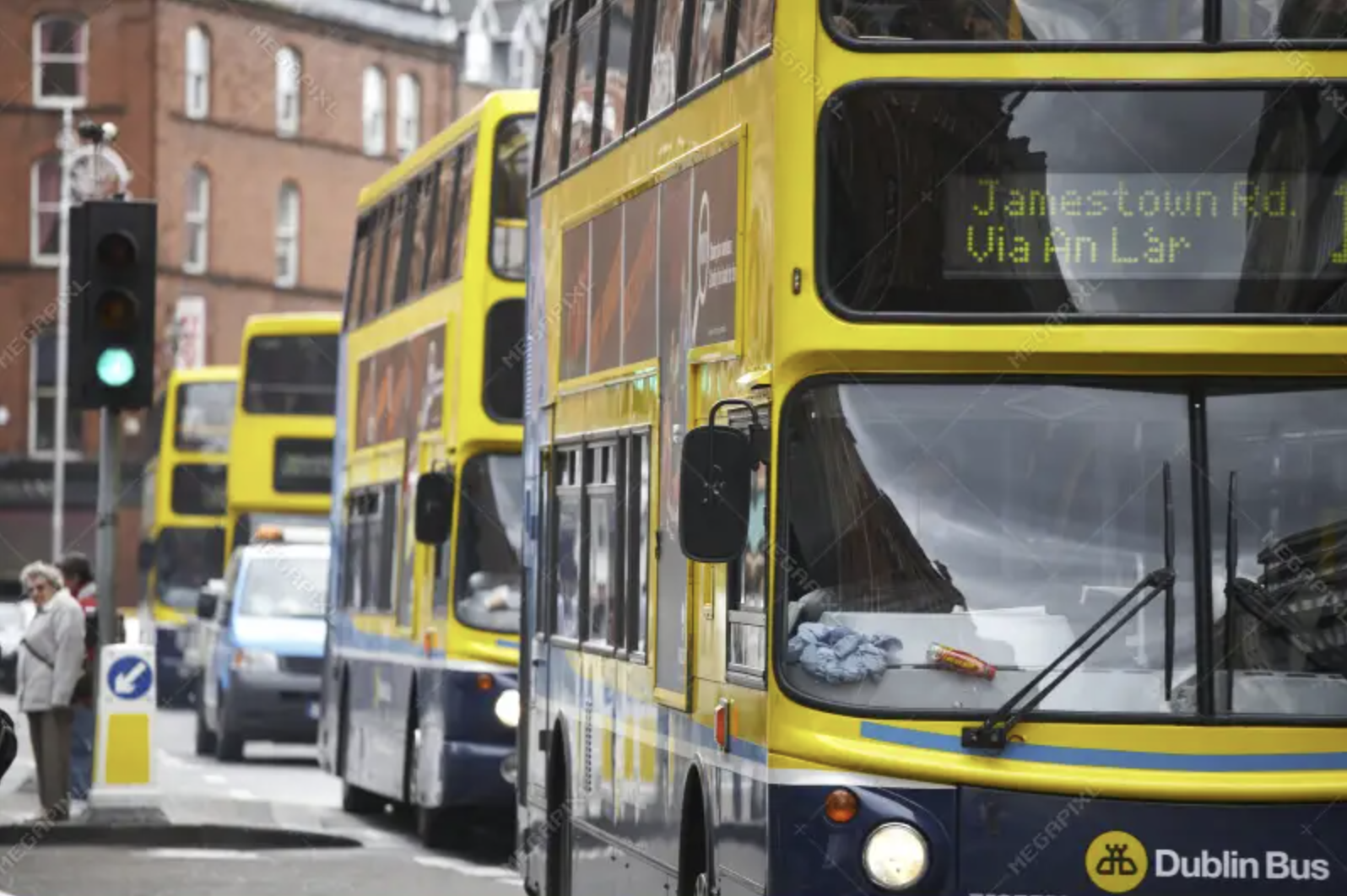
Thanking the bus driver has always been emblematic of the Irish culture of respect and kindness, like apologising when someone else bumps into you. However, bus culture in Ireland seems to be changing, especially at UCD. Is it possible that Irish common courtesy is going out the door?
Some of the changes are in the form of a simple ‘thanks’. Angela, a bus driver at the UCD stop, told The College Tribune how she noticed a decrease in the number of Irish people thanking drivers in the last few years. Not only does she think younger people say thank you less, but UCD students specifically. On her most recent ride, of the nearly 30 students who had gotten off at UCD Sports Centre, only the last had thanked her. One. Out of 30. Angela spoke of how tiring the job of being a bus driver is and how rudeness makes it all the more difficult. She often works 10-hour shifts and had begun her morning at 3 am that day. So to her, a quick ‘hello’ and ‘thank you’ could make a world of difference.
Some students told The College Tribune that they regularly thank their driver, though maybe not every time. A few potential reasons stood out: exiting through the middle doors rather than the front ones, wearing headphones, and just being on their phones; all were reasons they said it less.
One driver, Colin, did not agree with Angela’s assessment, saying it was “hard to say” if there were any changes. He did, however, think that fewer people thanked the driver when going through the middle door than the front doors.
While saying thanks may not seem like a big deal, it could be a consequence of a greater idea of (dis)respect. The harmful attitudes of UCD students towards drivers and buses seemingly go much further beyond a lack of thanks. Angela told The College Tribune, “Drivers are asking to change routes” because of how rude UCD students have been to drivers and how little courtesy they have shown.
If you’ve been at UCD for even just a few weeks, you’ve most likely experienced the utter chaos of the 39a from UCD into town. Students, four buzzballs deep, throwing up on floors, screaming the words ‘Ooh, ah up the ra’ at the top of their lungs. The bus has such an iconic reputation that some have even gotten a 39a tattoo.
‘I had a woman smoke a crack pipe beside me on the upstairs deck of the 39a, trying to hotspot the bus,’ said one student. ‘There was a man eating cloves of garlic with his bare hands from a little plastic bag.’ Common courtesy can take many forms, but a lack of it can as well. It seems that disrespect ranges from something as small as not thanking drivers to creating unsafe environments on bus rides.
There is no question that the ideas of community and common courtesy have changed in the last few decades. In UCD, nighttime buses often become unsafe as large groups of drunk, rowdy students get on for a night on the town. From guarded queues and checking bags for alcohol, such a noisy and overwhelming bus ride is the last thing an exhausted student should have to deal with after a long day of study. Disrespect, in whatever form it takes, can be a slippery slope, wreaking havoc on passengers and drivers alike.
By: Clio Tulloch