

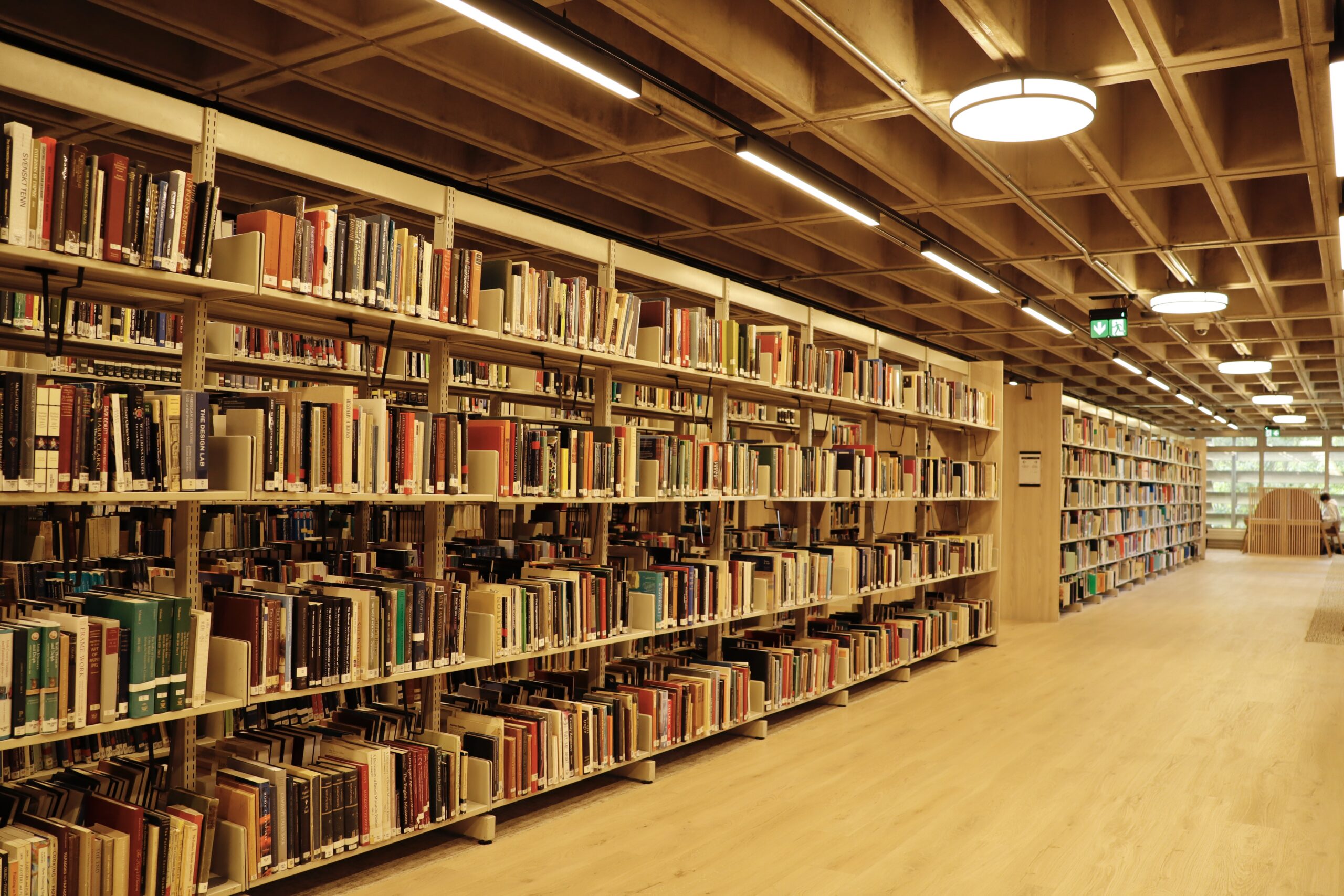
Following the partial reopening of the James Joyce Library’s second floor, UCD’s largest and most frequented library, the big reveal has received a range of reactions from students. Whilst it is part of a larger, long-awaited project, the renovations and this step in particular have left many students with mixed reviews and sparking debates over whether the university’s initiatives are really keeping students’ demands in mind.
The James Joyce Library recently renovated its second floor, which had previously housed a large portion of its books, as well as numerous study desks. Spanning nearly a month, from September 24th to October 19th, the renovations made up ‘phase two’ of the UCD Library Capital Development Project, 2026-2027. At a university where students already struggle to find study space, the renovations sparked considerable controversy, especially in the run-up to midterms, when it was almost impossible to find a seat during core hours.
Following this partial reopening, Level 2 now resembles Level 3, which was constructed in 2023. The bookshelves have been refurbished, and there are now two new Zoom rooms and a computer zone. However, the entirety of the lakeside, where the large bullpen where most of the floor’s seats used to be, is still under construction. As a result, there has not been any net increase in seats yet, but there should be over 1300 seats available by August 2027.
While the promise of increased study space was eagerly awaited, the renovations and project as a whole have drawn mixed feelings from students. According to one final-year student, “it’s great that we’re going to get more seating, but I think they should’ve done more during the summertime when there were fewer students affected.”
The student goes on to add that the computer zone is a “waste of desk space”, explaining that, since the library already offers laptop rental, the space should have been allotted to more general study space.
The changes have been largely criticised online for being mostly aesthetic and not adding substantially to the actual academic environment. One master’s student to The College Tribune that they “miss the old scuttery level 2 where you could actually lock in” and that it is “more yoga studio than f*cking library now”.
Opinions have been mixed. One final-year student told The College Tribune that while she would often leave campus earlier than she would have liked during the first two months of the semester, “it’s now improved and I can usually find somewhere”.
A third-year maths student said, “I’ve heard we’re getting more seats with the renovation so I’m holding out hope. Although, at the minute I don’t bother trying [to find a seat] unless it’s a weekend or late evening.”
The library’s capacity problem has been exacerbated by the long-running issue of seat-hogging, where students leave an item on a table to mind it, then go for hours to class or to get food. The ucd_seat_hogs Instagram account, which gained significant traction last year for posting photos of hogged seats and issuing ‘citation notices’ to perpetrators, has recently been reactivated amidst student frustration.
This has been something Education Officer Jessica Klein has been campaigning on. At last SU council, Klein announced the launch of a seat-hogging campaign with UCD Library from now through to exams. Klein explained the system to The College Tribune. If a study desk is observed to be empty, a yellow card will be placed on the desk. After an hour, if the desk is still empty, the student’s items will be removed and taken to the front desk. A red card is then placed on the desk with a number, and the student can bring that to the front desk to collect their items. If a student returns to a desk before the hour, they can leave the yellow card there until a staff member collects it, and there is no penalty. If a student sees an empty desk with a red card on it, then they are free to study there.
The UCD Library Capital Development Project, 2026-2027 aims to “meet the 21st century needs of students and researchers”. This project began earlier this year and is expected to last until August 2027. Phase two of this project includes renovating the second floor, as discussed. Also, it aims to add a Cultural Heritage Centre on level 1, “bringing together the world-class Cultural Heritage repositories, the National Folklore Collection, UCD Archives, and Special Collections with new facilities such as a conservation lab and digitisation studios.”
More updates are expected to be released in January 2027, ahead of the next semester.
By: Clio Tulloch