

The joint US-Israeli assault on Iran that began on February 28 and killed Supreme Leader Ayatollah Ali Khamenei has already cost thousands of lives and billions of dollars. With Tehran’s retaliation on US and Israeli military assets across the Gulf, hitting the United Arab Emirates (UAE), Kuwait, Manama, Doha, Qatar, Oman, Kuwait and Bahrain, the radius of the conflict’s impact continues to expand.
It is hard to imagine now that on February 26, the US and Iran were engaged in peace talks and were within reach of a deal that included restrictions on stockpiling and IAEA (International Atomic Energy Agency) verification. Now, US President Trump’s gunboat diplomacy is on full display, and efforts for diplomatic resolutions appear distant on the horizon.
It might even be more difficult to remember a day in which the US and Iran had a stable agreement in which these guidelines were accepted and enforced, but this was the case between 2015 and 2017, when the US was a part of the Joint Comprehensive Plan of Action (JCPOA), or the Iran nuclear deal. President Barack Obama’s accomplishment in creating this deal was applauded as a feat of international diplomacy, as it effectively curtailed Tehran’s nuclear ambitions and established rigorous monitoring systems.
When Trump entered office, all he had to do was…nothing. His top advisors, including Secretary of State Rex Tillerson and Defence Secretary James Mattis, urged him to stick with the deal. Indifferent to the program’s success, Trump pulled out, promising a deal better than his predecessor’s. What really followed was the loss of oversight on Tehran, and soon, more centrifuges were operating,g and Iran continued its uranium enrichment. Now, the US and Israel are in full military posture to make sure Iran “will never have a nuclear weapon.”
Mixed Feelings and Ambiguous Reactions on the International Stage
In March of 2003, US troops invaded Iraq to remove Saddam Hussein from power and to destroy alleged “weapons of mass destruction.” Wariness to enter another war driven by similar motives is high.
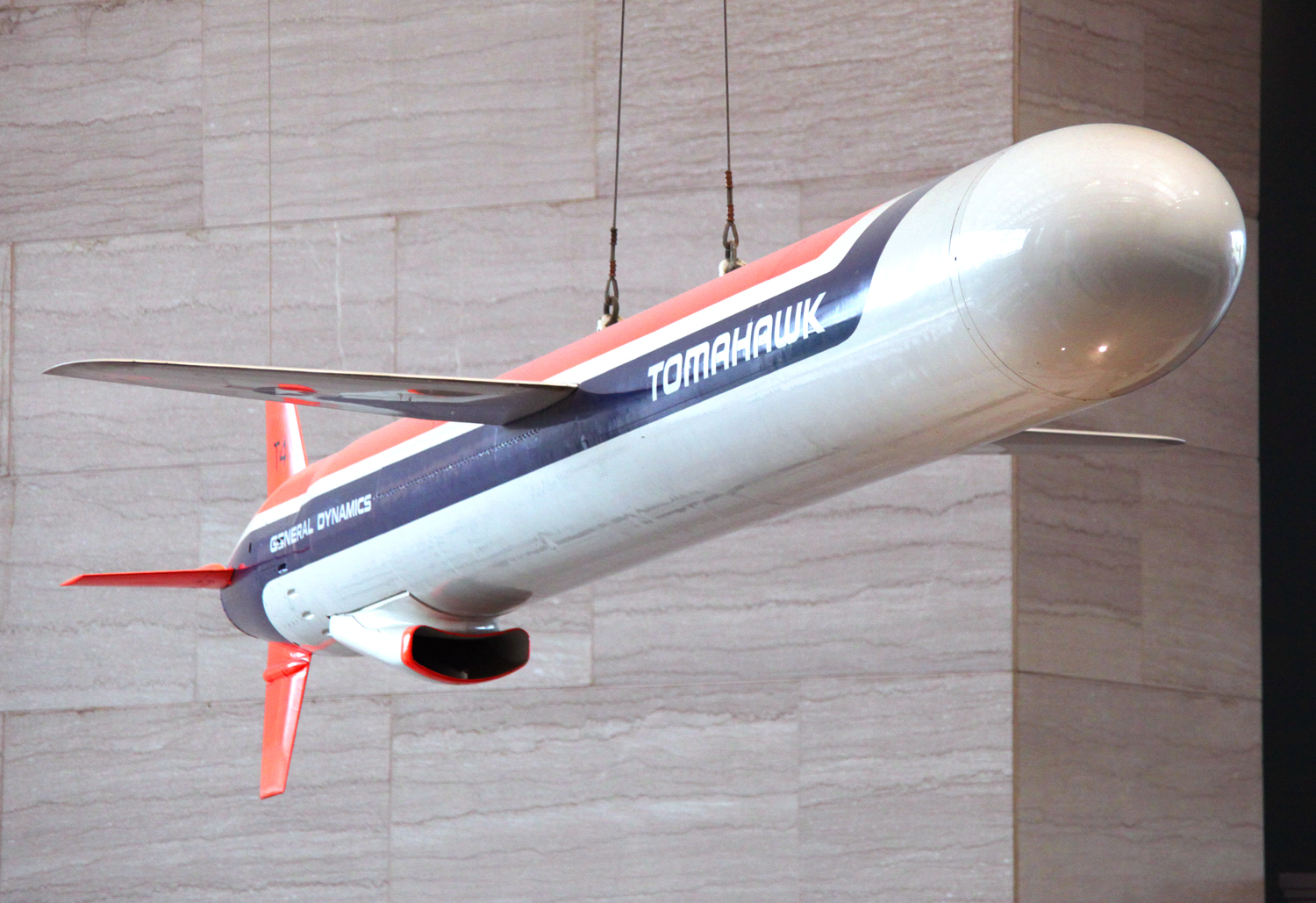
The costs of the war are already rising. About 1,500 Iranians and 1,100 Lebanese people have been killed. On the first day alone, 175 people, mainly children, were killed by a Tomahawk missile strike on an Iranian school.
National Counterterrorism Centre Director Joe Kent resigned over the US’s war against Iran. “Iran posed no imminent threat to our nation,” Kent said in his resignation letter. “[It] is clear that we started this war due to pressure from Israel and its powerful American lobby.”
Trump’s March 14 appeal to France, Italy and the UK to help navigate entry into the Strait was met with distrust. Not even halfway through this second term, he has already frustrated and confused global leaders with his desire to reestablish ties with Moscow, introducing seemingly vindictive tariffs and threatening to annex Greenland. Spain has pledged to keep opposing the war. French President Emmanuel Macron has been criticised for failing to take a concrete stance, calling the US strikes illegal but also placing responsibility on Iran.
In the UK, Prime Minister Keir Starmer maintains that Britain is not involved in the war, despite allowing the US to use their bases to land their bombers for ‘defensive’ strikes.
The Monetary Costs of Large-Scale War
The American burden of responsibility for civilian casualties cannot be ignored. But there is an additional element to these strikes: the monetary cost. One Tomahawk missile costs $3.5 million. The US launched 300 of these missiles in the first six days alone, totalling $1.2 billion. In total, the first six days cost $12.7 billion.
A cost analysis from the Centre for Strategic and International Studies estimates that this amount could have paid for 9% of all US elementary school teacher salaries, Medicare for almost 700,000 US veterans, or 1.5 million public housing units.
The cost of oil has risen more than 40% since February 28. The International Energy Agency (IEA) warned that the disruption caused by the effective closure of the Strait of Hormuz, combined with attacks on 40 energy facilities across nine countries, has reduced global oil supplies by about 11 million barrels per day – exceeding the combined impact of the 1973 and 1979 oil crises.
America’s Rhetoric of Sporadic Fury
Many factors distinguish this conflict from US military operations of the recent past, but one of the most significant is the rhetoric. Secretary of Defence – or rather, ‘Secretary of War’ – Pete Hegseth’s statements on military action are exemplary of this shift towards lexical aggression in political situations. With promises to “unleash death and destruction from the sky all day long” and act with “brutal efficiency, total air dominance and an unbreakable will”, Hegseth’s tone appeals to American brute strength. “Maximum lethality, not tepid legality,” he said this year. “Violent effect, not politically correct.”
Historically, the Pentagon has chosen names for its military operations that mask violent action with democratically motivated ideals. “Operation Enduring Freedom” in Afghanistan (2001-2014), “Operation Unified Protector” in Libya (2011), Operation Iraqi Freedom (2003-2010) and “Operation Just Cause” in Panama (1989). This current operation in Iran has been labelled “Operation Epic Fury.” There is no pretty lie this time: the military approach is one of anger and rage.
As Iran publicly dismissed Trump’s ceasefire proposal, strikes have continued. The Israeli military seems hell-bent on striking as many targets as possible before ceasefire talks, and an Iranian military spokesman has guaranteed that “the power of our armed forces grows stronger with every passing moment.”
With Tehran insisting on negotiations on their terms, if at all, and Trump giving mixed signals – sending more paratroopers while coordinating talks – time will tell how “Operation Epic Fury” will play out.
By Luna Kohut, Contributor